

Myth vs. Fact: 10 Things You've Been Told About Periods That Simply Aren't True

I got the period talk from several family members. Seriously! My Mama, both Grandmamas, two Aunties, and a few cousins. They told me everything they knew. From how to wear a pad, packing extra underwear in my backpack, to dealing with cramps, and staying away from boys. I was also told to not get my hair wet on my period or I’ll get cramps. I was also told to eat chocolate before my cramps start. I felt empowered, prepared, and supported. That gap between what girls are told and what's actually true is the reason my organization, #HappyPeriod exists. Every myth on this list is one I either believed myself or have heard repeated by someone who came through our program asking if what they were experiencing was "normal."

Myth #1: Period pain is just something you have to push through.
Fact: Mild cramping is common, but pain severe enough to disrupt your day is not something to silently endure. It can be a sign of endometriosis, fibroids, or adenomyosis, conditions that are chronically underdiagnosed, especially in Black women, whose pain is too often dismissed or minimized by providers. What I want women to understand instead: the pain is a symptom, possibly a sign of something else going on.
Myth #2: Not having access to period products is a personal failing, not a systemic issue.
Fact: Period poverty is a public health and economic justice issue. Millions of people who menstruate in this country cannot consistently afford pads, tampons, or cups, and many states still tax them as "luxury" items. What I want women to understand instead: People with periods have a human right to have the essentials they need to manage their cycle.
Myth #3: You shouldn't exercise during your period.
Fact: Light to moderate movement, walking, stretching, yoga, can actually ease cramps, boost mood, and reduce bloating by improving circulation. What I want women to understand instead: Movement is good, and you can move however you want, whenever you feel like doing so.
Myth #4: Period blood is dirty or unclean.
Fact: Menstrual blood is simply the uterine lining shedding. It is not impure, and the shame attached to it is cultural, not biological. What I want women to understand instead: The stem cells in menstrual blood are now advancing medicine, scaling progress in women’s health. Our blood is magic.
Myth #5: Irregular periods are just "normal" and nothing to look into.
Fact: Occasional irregularity from stress or illness happens, but a consistently unpredictable cycle can signal PCOS, thyroid issues, or other conditions worth investigating with a provider. What I want women to understand instead: Tracking your period is the best way to get ahead of any issues.
Myth #6: You can't get pregnant while on your period.
Fact: It's less likely, but not impossible. Sperm can survive in the body for several days, and early ovulation can lead to conception. What I want women to understand instead: Women avoided pregnancy for centuries by simply following their menstrual cycle, without any apps.
Myth #7: A doula is only for birth, not for menstrual health.
Fact: Full-spectrum doula work supports people through every phase of the reproductive journey, including menstruation, which is often the first place people learn (or don't learn) to trust their bodies. What I want women to understand instead: A doula can provide support in menstrual care, fertility, miscarriage, abortion, adoption, pregnancy, birth, postpartum, and death.
Myth #8: Talking openly about periods is inappropriate or "too much."
Fact: Silence is what allows misinformation, shame, and inequity to persist. Open conversation is how myths get corrected and how people learn to advocate for their own care. What I want women to understand instead: Period shame has never served us any good, in any way, ever.
Myth #9: Heavy periods are just "how some people are built."
Fact: Soaking through a pad or tampon every hour, or bleeding longer than 7 days, is not something to normalize. It can point to anemia or an underlying condition and deserves medical attention. What I want women to understand instead: Always pay attention to your blood; the flow, color, density, everything.
Myth #10: Menstrual equity is a niche issue, not a racial justice issue.
Fact: Access to period products, freedom from stigma, and quality reproductive care are unevenly distributed along racial and economic lines, which is exactly why #HappyPeriod exists. What I want women to understand instead: It’s actually a human rights issue. Half of the human population has a period. Let that soak in!
The pattern I see over and over in this work is that period myths don't just cause confusion, they cause delay. Delay in treatment, delay in asking for help, delay in believing your own pain is real. Correcting the myth is step one. Teaching people to trust what their body is telling them is the actual goal.
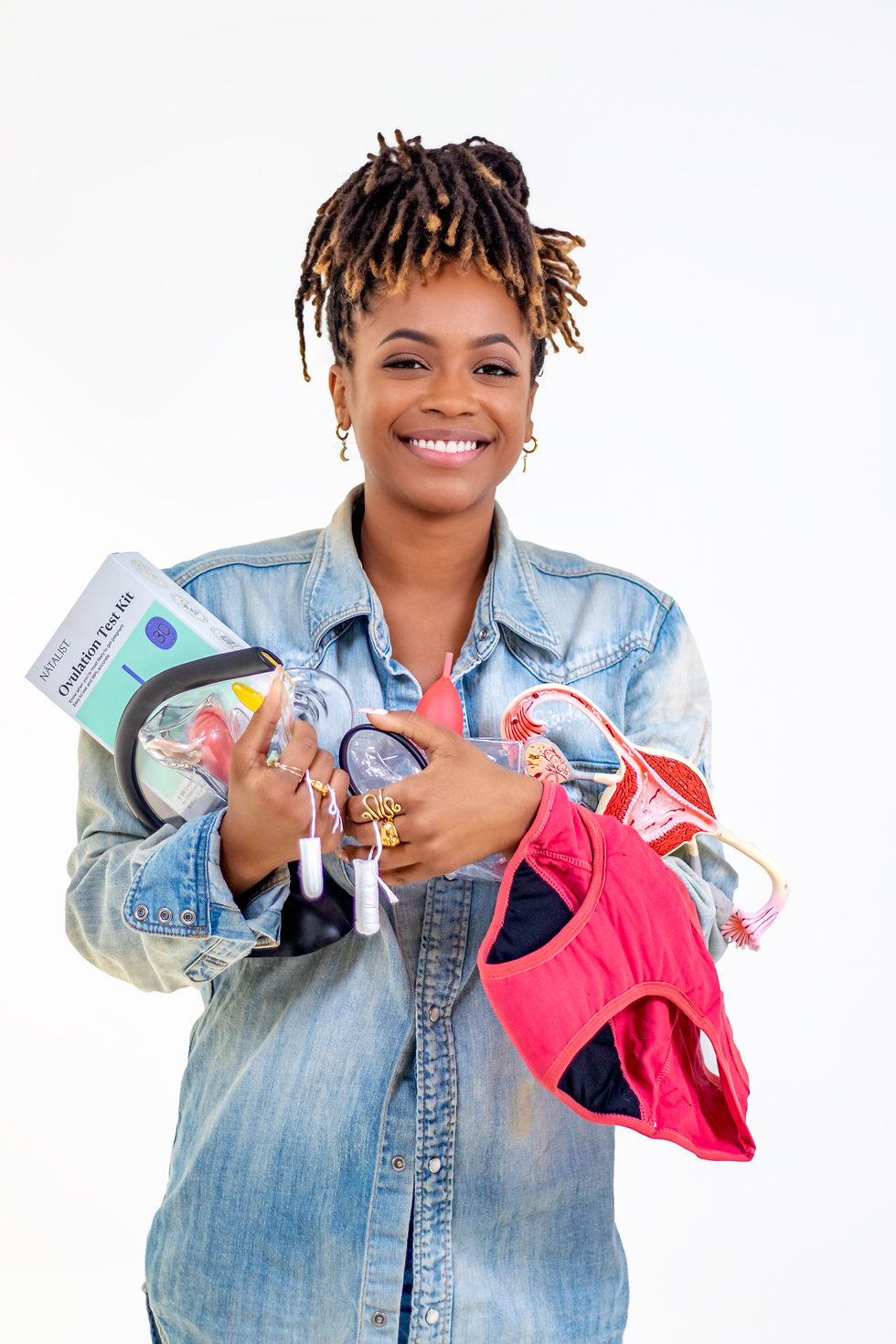
Chelsea VonChaz is the founder of #HappyPeriod, the first Black-led menstrual health movement in the United States, and a certified full-spectrum doula operating as The Period Doula.


Comments